
Introduction: The Checklist Says “Green,” The Floor Says “Chaos”
Here’s a bold one: your distribution center passed every audit and still misses ship windows by noon. A logistics management system is right there on the dashboard, blinking “all good,” while pallets drift like lost boats and cycle counts bend the truth. You deploy another report, then another pivot table, then a consultant who loves blue arrows and acronyms. Meanwhile, your team reverts to walkie-talkies and sticky notes—funny how that works, right? The data is not subtle: 30–40% of surprise delays creep in from staging and replenishment, not picking. Error rates spike when the SKU velocity mix shifts, even when the KPIs look fine. So the question writes itself: if the numbers look clean, why does the dock feel like a storm every Friday?
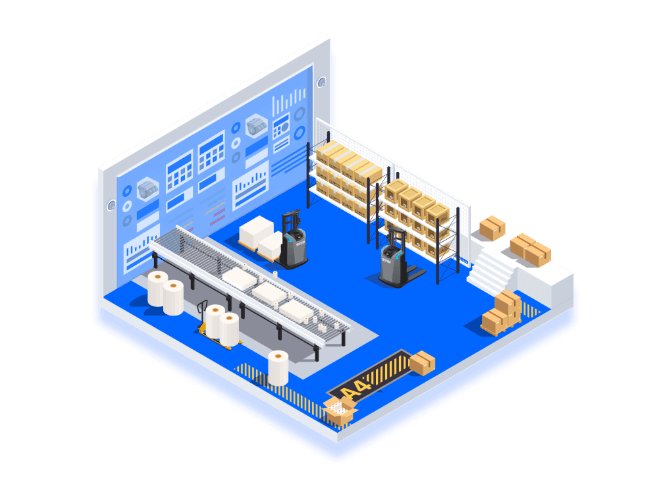
Look, it’s simpler than you think. The tools speak in averages, but the floor bleeds in exceptions. A warehouse management system can plan a beautiful day. It struggles when the plan collides with late ASNs, short picks, and a dying forklift battery. Add in edge cases—literally, the edge computing nodes at the dock—and you get latency in decisions that must be instant. We’ll set the stage, then move to what’s under the hood and how to compare the next wave of systems you will be pitched. Onward.
Under the Hood: The Hidden Flaws in Classic WMS
Where does latency hide?
Let’s get technical for a minute. Legacy stacks do batch thinking in a real-time world. They post updates in chunks, route through an aging API gateway, and rely on EDI cycles that were never built for live cross-docking. You feel it as pick-path detours, stalled replenishment, and overfed put-walls. The classic warehouse management system tends to centralize logic, so every small change waits its turn. That’s fine during calm hours. It breaks when inbound and outbound collide at 3 p.m. and your conveyor PLCs trip, or when AS/RS lifts slow down. The result: decisions arrive after the work has moved on.

This leads to quiet pain that audits miss. Slotting models freeze when SKU velocity shifts mid-week. Order orchestration can’t preempt an unexpected carrier cutoff. Micro-updates from scanners queue behind a reporting job. Even RFID reads can flood the pipe if throttling is crude—wild, but true. And when teams patch this with macros and tribal knowledge, the “system of record” becomes a “system of paperwork.” Meanwhile, the cost is real: overtime, excess safety stock, and a loading dock that plays roulette with appointment windows. In short, the traditional approach hides delay inside everything that looks efficient on paper.
Comparative Insight: New Principles That Change the Baseline
What’s Next
Forward-looking systems shift from batch to event-driven decisions. Think small, fast loops. Telemetry from scanners, AS/RS, and forklifts lands in stream processors, not nightly tables. Orchestration runs near the edge, so a zone can re-slot or re-wave without a round trip to the core. The “smart” warehouse management system acts like a conductor with many assistants, not a single maestro. Digital twin models can predict short picks and stage replenishment before the picker arrives. When a carrier ETA slips, the system reorders dock priorities, not at the end of the hour, but right now. And yes, the buzzwords are real—microservices, low-latency queues, and resilient API contracts—but the result is plain: fewer handoffs, fewer waits, fewer apologies.
Comparatively, you don’t need magic. You need responsiveness where the work is done. New stacks blend edge computing nodes with central policy. They push updated rules to zones and pull outcomes back for audit. Power converters and sensors feed live status; the logic adapts in seconds. If a tote jams, the model reroutes and updates pick-to-light in that aisle only. If labor flex is needed, the system offers tasks that actually match worker proximity and certs. You keep the control tower view, but with muscles in the aisles. That’s the shift. Not “more dashboards,” but decisions that move as fast as the cart.
How to Choose: Three Metrics That Expose Real Capability
Time to land the plane. From earlier, we learned the floor breaks at the edges, not the averages. We saw why batch logic creates hidden lag, and why event-driven orchestration closes the gap. So compare systems with three clean measures: 1) Decision latency under stress: can slotting, waves, and dock priorities update in under 500 ms during peak? 2) Edge autonomy: how much logic runs locally when the network hiccups, and how is state reconciled? 3) Exception closure rate: in live ops, what percent of alerts self-resolve without human intervention within five minutes? If a vendor can prove these with trace logs and real workloads, you’re not buying a slide deck—you’re buying flow. That’s the point, and it’s the only one that pays off week after week. For more grounded engineering and field insight, see SEER Robotics.