
Choosing the right fit can completely change how an outfit looks and feels. In girls eastern wear, the goal is not simply to choose something loose or tight. A good fit should follow the body's natural shape while leaving enough room for comfortable movement, sitting, walking, and everyday activities. The right proportions also help the fabric, embroidery, sleeves, and neckline look balanced. 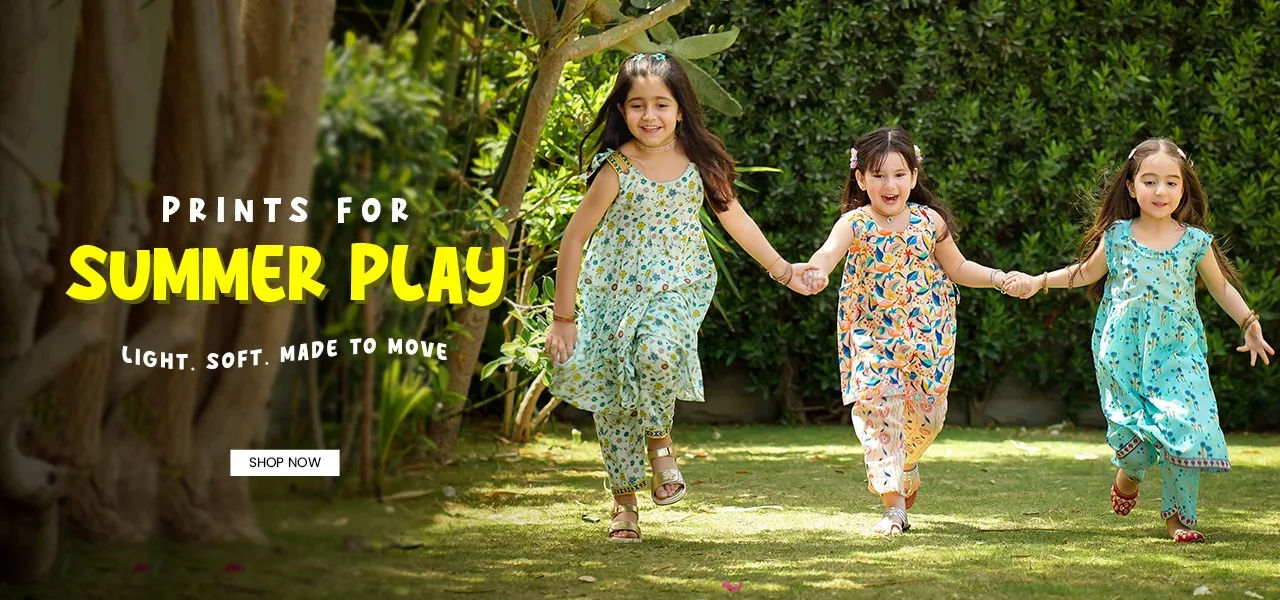 Girls eastern wear includes many different styles, from everyday shalwar kameez and simple kurtas to embroidered suits, festive dresses, frocks, and coordinated three-piece outfits.
Because these styles use different cuts and fabrics, there is no single measurement that works for every outfit. The correct fit depends on the design, fabric, occasion, and personal comfort.
Understanding how each part of an outfit should fit makes shopping much easier. A garment can have the correct chest measurement but still feel uncomfortable because the shoulders are narrow, the sleeves are too tight, or the length is unsuitable. Looking at the complete outfit rather than one measurement is the key to getting a polished result.
The Right Overall Fit
A well-fitted eastern outfit should look neat without restricting the wearer. There should be enough ease around the body for normal movement, but the clothing should not appear so oversized that the shape of the outfit disappears.
The shoulders are one of the first areas to check. If the shoulder seam sits far beyond the natural shoulder, the garment may look oversized. If it sits too far inside the shoulder, the outfit can pull when the arms move.
The chest area should also have enough room for comfortable movement. A properly fitted kameez should not pull horizontally across the chest when the wearer sits or raises her arms. At the same time, excessive fabric can create unnecessary bulk.
The waist does not always need to be closely fitted. Many traditional eastern garments are designed with a relaxed silhouette. What matters is that the garment hangs naturally instead of clinging awkwardly or becoming excessively wide.
The hips and lower portion require particular attention with longer shirts. There should be enough space to sit comfortably and move without the fabric pulling across the hips.
How Should a Kameez or Kurta Fit?
The kameez or kurta is one of the most common pieces in girls eastern wear, and its fit depends heavily on its design.
A straight-cut kameez usually looks best when it has a clean line from the shoulder toward the hem. It should skim the body without gripping it. The side seams should remain relatively straight when the wearer is standing naturally.
An A-line shirt provides more room toward the bottom. Because of this, it may be closer to the body around the shoulders and upper torso while becoming progressively wider toward the hem.
A loose kurta can intentionally have more room throughout the body. In that case, the extra space should look deliberate rather than accidental. The shoulders and sleeves should still be appropriately proportioned.
Length is another important factor. A short kurta, medium-length shirt, and long kameez create very different visual proportions. The ideal length depends on whether the outfit is being paired with trousers, straight pants, shalwar, palazzo pants, or a skirt.
When checking length, consider the entire outfit rather than judging the shirt by itself.
Getting the Shoulders Right
Shoulder fit is often more important than people realize. A garment can be slightly loose around the waist and still look attractive, but poorly fitted shoulders can make the entire outfit appear unbalanced.
The shoulder seam should generally sit close to the natural edge of the shoulder. It should not create a noticeable drop unless the garment is deliberately designed with dropped shoulders.
If the seam is too narrow, the fabric may pull around the upper back and underarms. This can become especially uncomfortable when carrying a bag, raising the arms, or reaching forward.
For growing girls, some extra room may be practical. However, buying clothing several sizes too large can make an outfit difficult to wear comfortably. A better approach is to choose a size that fits the shoulders and adjust other areas through tailoring when possible.
Choosing the Correct Sleeve Fit
Sleeves should allow normal arm movement without feeling restrictive.
For full sleeves, check the area around the upper arm first. The sleeve should not squeeze the arm when it bends. There should be enough space for comfortable movement, particularly if the fabric has little stretch.
The wrist opening should also be practical. A very narrow cuff may look attractive but become inconvenient during everyday activities.
Three-quarter sleeves and shorter sleeves should end at a comfortable point on the arm. Their length can influence the overall appearance of the outfit, especially when paired with bracelets or other accessories.
For embroidered sleeves, remember that embellishment can make fabric feel less flexible. A sleeve that feels acceptable before embroidery may become restrictive after additional decorative work.
How Should the Chest Area Fit?
The chest area should have enough ease to prevent pulling and visible strain lines.
One simple test is to raise both arms and then lower them naturally. If the shirt pulls significantly across the chest or underarm area, it may be too small.
Another useful test is sitting down. Clothing that looks fine while standing can become noticeably tighter when the body changes position.
Girls eastern wear is often made from fabrics with limited stretch, so measurements should allow for movement rather than relying on stretch to compensate for a tight cut.
For formal outfits, it is particularly important to consider the weight of embroidery. Heavy embellishment can slightly change how a garment hangs, meaning the underlying fit needs to be comfortable from the beginning.
Getting the Waist and Side Seams Right
Not every eastern outfit needs a defined waist. Traditional silhouettes often prioritize comfort and flowing shapes.
The important thing is that the side seams do not twist or pull. When standing naturally, they should generally fall in a clean line.
If the side seam moves toward the front, the garment may be too tight around the back or hips. If it moves significantly toward the back, there may be excessive room toward the front.
Tailoring can correct small differences, but major fitting problems are easier to avoid by selecting the right base size.
How Should Eastern Trousers Fit?
The lower garment deserves just as much attention as the shirt.
Straight trousers should have enough room around the hips and thighs to allow comfortable sitting. They should not create excessive horizontal pulling when the wearer bends or sits.
Cigarette pants are generally narrower, but they should still permit movement. A narrow appearance does not require an uncomfortable fit.
Shalwar styles are intentionally roomy. Their shape comes from gathered fabric and volume rather than close fitting. The waistband should remain secure without digging into the waist.
Palazzo pants and wide-leg trousers should fall naturally from the waist or hip. Their extra width is part of the design, so trying to make them closely fitted can defeat the purpose of the silhouette.
The trouser length should also work with the footwear. If the pants are too long, they may drag on the ground. If they are too short, the proportions can look unintentional.
The Importance of the Waistband
A waistband that is too tight can make even a beautiful outfit uncomfortable.
The waistband should sit securely without leaving deep marks on the skin. When sitting down, there should still be enough comfort around the waist.
Elastic waistbands can provide flexibility, especially for everyday outfits. However, the elastic should not be so strong that it constantly presses against the body.
For formal trousers with hooks, buttons, or zippers, the closure should sit flat. If it strains when the wearer sits, the garment likely needs more room.
How Should a Dupatta Fit Into the Outfit?
A dupatta does not technically have the same type of fit as a shirt or trouser, but its size and drape strongly influence the overall appearance.
A dupatta should be large enough to style comfortably without becoming difficult to manage. Lightweight fabrics often drape differently from heavier embroidered materials.
The fabric should complement the proportions of the outfit. A heavily decorated shirt may work well with a simpler dupatta, while a plain suit can support a more detailed dupatta.
The most important consideration is comfort. If the dupatta constantly slips, catches on accessories, or feels too heavy, the outfit may become difficult to wear for long periods.
Fit According to Fabric
Fabric can change how a garment should fit.
Cotton generally works well with a comfortable, slightly relaxed fit. It is commonly used for everyday outfits because it is breathable and practical.
Lawn can also be worn comfortably in a relaxed silhouette, particularly in warmer weather. Since lightweight fabric drapes easily, excessive looseness may sometimes make the outfit look less structured.
Silk, velvet, and other heavier fabrics behave differently. They can create more volume, so the cut needs to account for the fabric's weight and drape.
Chiffon and similar flowing materials often benefit from carefully designed structure underneath. The outer fabric can look elegant without needing to be tight.
Embroidered fabrics require additional consideration because dense embellishment can add weight and reduce flexibility.
Fit for Everyday Wear
Everyday girls eastern wear should prioritize comfort and practicality.
A child or teenager may spend hours walking, studying, playing, traveling, or attending family activities. Clothing that looks perfect while standing in front of a mirror may not be suitable if it becomes uncomfortable after an hour.
For everyday clothing, moderate ease around the body is usually useful. Sleeves should allow arm movement, trousers should permit sitting, and necklines should remain comfortable throughout the day.
Washability also matters. Some fabrics may shrink slightly after washing, so care instructions should be considered before making significant tailoring adjustments.
Fit for Formal and Festive Outfits
Formal outfits can be more structured because they are usually worn for shorter periods and designed for specific occasions.
However, formal does not mean uncomfortable.
Girls eastern wear for weddings, Eid celebrations, parties, and other events may include embroidery, beads, sequins, lace, layered fabrics, or decorative borders. These details can make an outfit heavier than everyday clothing.
The wearer should be able to sit, walk, and raise her arms without difficulty. If the outfit includes a fitted bodice, make sure it does not create uncomfortable pressure.
For younger girls, comfort is particularly important because they may be less willing to tolerate restrictive clothing during long events.
How Much Ease Is Enough?
There is no universal amount of extra space that works for every outfit. The amount of ease depends on the garment style, fabric, body proportions, and intended use.
A fitted formal shirt may have less ease than an everyday cotton kurta. A shalwar will naturally have much more room than cigarette trousers.
Instead of focusing only on a numerical measurement, use movement as a practical test.
The wearer should be able to sit, stand, walk, raise both arms, bend slightly, and move normally without the garment pulling uncomfortably.
If all of these movements are possible and the clothing still looks neat, the fit is likely appropriate.
Common Signs That an Outfit Is Too Tight
Several signs can indicate that an outfit is smaller than it should be.
Horizontal wrinkles across the chest, back, or hips can indicate tension. Sleeves that pull when the arms move are another warning sign.
Buttons or hooks that strain are also clear indicators. With zippers, watch for visible pulling or rippling around the closure.
The neckline should sit naturally rather than pulling backward or pressing uncomfortably against the neck.
If the wearer constantly adjusts the garment because it feels restrictive, that is also useful feedback.
Comfort should not be treated as something that has to be sacrificed for appearance.
Common Signs That an Outfit Is Too Loose
Oversized clothing can also create fitting problems.
If the shoulders extend substantially beyond the natural shoulder line, the shirt may be too large unless that shape is intentional.
Excess fabric around the chest or waist can make a structured outfit look shapeless. Sleeves that cover the hands can also interfere with normal activities.
For trousers, excessive fabric around the hips or ankles may create unnecessary bulk.
Loose styles can certainly be fashionable, but there is a difference between intentional volume and simply wearing a larger size.
Considering Growth
When buying clothing for girls who are still growing, parents may naturally want to choose something with extra room.
That approach can make financial sense, but the extra space should be controlled.
The shoulders, neckline, and armholes should remain reasonably proportioned. Additional length or moderate room around the body can sometimes be accommodated through tailoring.
Some garments can also be designed with adjustable features, allowing them to remain useful as the wearer grows.
The goal is to allow for growth without making the current outfit uncomfortable or awkwardly oversized.
Tailoring Can Improve the Fit
Ready-to-wear clothing does not always fit every body proportion perfectly. Small tailoring adjustments can make a significant difference.
A tailor can often modify sleeve length, shirt length, side seams, trouser length, or waistband placement.
However, not every alteration is equally simple. Major changes to shoulders, armholes, or complex embroidery may be difficult or expensive.
This is why it is usually better to select a garment that already fits the shoulders and general structure correctly, then make smaller adjustments where necessary.
Checking the Outfit Before an Event
A formal outfit should be tested before the actual occasion.
Have the wearer put on the complete outfit, including the dupatta and intended footwear. Then sit down, walk around, raise the arms, and move naturally.
Pay attention to areas that feel tight, heavy, scratchy, or difficult to manage.
This is especially important when an outfit contains heavy embroidery or multiple layers. A garment may feel fine for five minutes but become uncomfortable after several hours.
Testing it beforehand provides time for alterations.
Balancing Comfort and Style
The best fit is not necessarily the tightest fit or the loosest fit. It is the fit that supports the intended design while allowing comfortable movement.
Traditional eastern clothing offers considerable flexibility. Some designs are intentionally flowing, while others are structured and tailored.
The trick is understanding the design rather than applying one fitting rule to everything.
A flowing kurta should not be treated like fitted western clothing, just as narrow trousers should not be treated like a traditional shalwar.
Proportion matters as much as measurement.
Conclusion
The right fit makes girls eastern wear more comfortable, practical, and visually balanced. The shoulders should sit naturally, the chest should have enough room for movement, sleeves should allow comfortable arm movement, and trousers should provide enough space for sitting and walking.
Different styles require different amounts of ease. A loose shalwar, flowing kurta, fitted trouser, and formal embroidered shirt cannot all be measured using the same standard. Fabric, construction, embellishment, age, growth, and occasion also influence the ideal fit.
For everyday clothing, comfort and movement should be major priorities. Formal clothing can be more structured, but it should still allow the wearer to sit, walk, and move without constant adjustment.
Most importantly, girls eastern wear should fit the person rather than forcing the person to fit the clothing. A well-chosen outfit should feel natural when standing, sitting, walking, and moving. When the shoulders, sleeves, body, length, trousers, and overall proportions work together, even a simple outfit can look polished and thoughtfully put together.
The most reliable approach is to judge the complete outfit in motion rather than relying only on a size label. Sizes vary between brands and tailoring patterns, while comfort and movement provide a much more practical indication of whether the clothing truly fits.